Quick Answer
For skin benefits, marine collagen wins. It is absorbed up to 1.5 times more efficiently than bovine collagen due to its smaller peptide size and lower molecular weight. It more closely mirrors the Type I collagen that makes up 90% of your skin, and it delivers measurably better results for firmness, hydration, and fine line reduction. SKINES uses 99.86% pure marine collagen sourced from New Zealand deep-sea fish, formulated with patented NanoFibre Technology that takes absorption even further than standard marine collagen supplements.
90%
Of skin collagen is Type I, what marine collagen provides
1.5×
Better absorption vs bovine (studies on bioavailability)
1%
Annual collagen loss after age 25, accelerating after 30
<300
Dalton molecule size in SKINES NanoFibre collagen
Every skincare brand seems to have a collagen product these days. But if you've spent any time researching, you've probably noticed that collagen comes in very different forms, and the differences are not just marketing language.
The two most common types you'll encounter are marine collagen (sourced from fish) and bovine collagen (sourced from cattle). They look similar on a label, but behave very differently in your body and on your skin. This guide explains why, without the fluff.
In this guide
What Is Collagen, and Why Does Your Skin Need It?
Collagen is the most abundant protein in the human body, making up roughly 30% of total protein content. It forms the structural scaffolding of your skin, keeping it firm, plump, and resilient. Think of it as the mattress springs inside your skin: when they're dense and intact, your skin sits high and bounces back. When they break down, your skin begins to sag and crease.
Here's the uncomfortable truth: your body starts producing less collagen from around age 25. By your mid-30s, that decline accelerates to approximately 1 to 1.5% per year. Sun exposure, stress, pollution, smoking, and excess sugar all accelerate the breakdown further. The visible result? Fine lines, loss of firmness, increased dryness, and a duller complexion.
Key fact
Collagen constitutes approximately 90% of your skin's dry weight, and of that, Type I collagen is the dominant form responsible for skin firmness, elasticity, and hydration. This is the exact type found in marine collagen, not in bovine, which is predominantly Type I and Type III combined.
There are at least 28 types of collagen, but Types I, II, and III account for the vast majority of what's found in the body. For skin specifically, Type I is what matters most, and that's where marine collagen holds a significant structural advantage over its bovine counterpart.
Marine vs Bovine Collagen: The Key Differences Explained
Before comparing results, it's worth understanding what you're actually comparing. These are two fundamentally different proteins, from different biological sources, with different molecular profiles.
Recommended for skin
Marine Collagen
Sourced from fish scales, skin, and bones
Almost exclusively Type I collagen: the dominant type in human skin
Smaller peptide size and lower molecular weight (~500 daltons unhydrolysed)
Up to 1.5× higher bioavailability than bovine collagen
More structurally similar to skin collagen
Odourless when sourced from deep-sea fish; easier to formulate
Suitable for pescatarians; no religious restrictions
Best for: Skin firmness, anti-ageing, hydration, fine lines, and any topical or ingestible collagen routine focused on visible skin results.
Broader source, less skin-specific
Bovine Collagen
Sourced from cow hides, bones, and cartilage
Contains Type I and Type III collagen. Type III primarily supports joints and gut lining
Larger peptide size; slower absorption rate
Lower bioavailability for skin-specific purposes
More widely available and typically lower in cost
Also contains Type II collagen in some formulations, better for joint support
Not suitable for those avoiding bovine products (religious, ethical, dietary)
Best for: Joint support, gut health, and general collagen supplementation. Less targeted for skin-specific results compared to marine.
A note on Type I vs Type III: The distinction between collagen types matters more than most brands admit. Type III collagen is valuable for internal tissue support, but it is not the primary structural protein of skin. If skin firmness and anti-ageing are your goals, you want a collagen source that delivers predominantly Type I, which is marine collagen's natural profile.
Bioavailability and Absorption: The Deciding Factor
The best collagen is the one your body can actually use. That's where bioavailability becomes the most important metric in this comparison, and where marine collagen builds its strongest case.
Molecular weight determines absorption speed
Marine collagen peptides are naturally smaller than bovine peptides at the molecular level. A lower molecular weight means faster and more efficient transit through the intestinal wall (for ingestibles) and deeper penetration into the skin barrier (for topicals). This isn't a marginal difference. Research consistently shows marine collagen absorbs measurably faster into the bloodstream.
Hydrolysis magnifies the advantage
Both marine and bovine collagen are typically hydrolysed (broken into smaller peptides) to improve absorption. Because marine collagen starts with a smaller molecular structure, the hydrolysed form achieves an even lower molecular weight than hydrolysed bovine, giving it a significant lead in bioavailability. SKINES hydrolysed marine collagen contains molecules under 300 daltons for maximal skin penetration.
The skin barrier challenge
Your skin is designed to keep things out. Topically applied collagen molecules above approximately 500 daltons cannot penetrate the stratum corneum (the outermost skin layer) in any meaningful amount. This is why most standard collagen creams sit on the surface without reaching the dermis where collagen synthesis actually occurs. Molecule size is not a cosmetic detail; it determines whether collagen reaches its target.
The 500-dalton rule
Dermatology research has long established that only molecules below ~500 daltons can reliably penetrate the skin barrier. Standard marine collagen is already closer to this threshold than bovine. SKINES NanoFibre Technology reduces collagen molecules to under 300 daltons, enabling penetration to the deeper dermal layers where it can stimulate collagen synthesis and deliver visible, structural skin improvements rather than temporary surface hydration.
Which Delivers Better Skin Results?
When we talk about skin results, we mean measurable, visible changes: firmer skin, reduced fine lines, improved elasticity, deeper hydration, and a more luminous complexion. Here is how the evidence stacks up for each.
Marine collagen for skin
A number of clinical studies specifically examining marine collagen's effect on skin have shown encouraging results. Research published in the Journal of Cosmetic Dermatology found that oral marine collagen supplementation improved skin elasticity and hydration in participants over a 12-week period. A 2021 review in Nutrients confirmed that hydrolysed marine collagen peptides show high bioavailability and positive effects on skin ageing markers including collagen density and moisture content.
Improved skin firmness and lifting effect
Marine collagen stimulates fibroblast activity in the dermis, encouraging the skin's own collagen synthesis. This produces a structural tightening and lifting that goes beyond surface hydration, particularly notable around the jawline, cheeks, and forehead.
Visible reduction in fine lines and wrinkles
By replenishing the extracellular matrix and increasing dermal hydration, marine collagen reduces the depth and visibility of fine lines, particularly expression lines and those caused by volume loss.
Deep, lasting hydration
Marine collagen peptides attract and bind water molecules in the dermis. Combined with sodium hyaluronate (as used in SKINES products), the hydration effect is significantly amplified and longer-lasting than standard surface moisturisers.
Enhanced radiance and skin glow
When the dermis is adequately hydrated and structurally supported, light reflects more evenly off the skin's surface. This is the mechanism behind the "glass skin" effect: not a separate benefit, but a visible outcome of well-nourished skin from within.
Improved skin elasticity
Elasticity, the skin's ability to snap back after movement, declines as collagen degrades. Marine collagen supplementation has been shown to slow this decline and, with consistent use, partially restore elasticity in mature skin types.
Bovine collagen for skin
Bovine collagen does deliver skin benefits; it is not without value. Its Type I content still stimulates fibroblasts and supports the extracellular matrix. However, its larger molecular structure means a greater proportion passes through the body without reaching skin tissue, and the Type III content, while valuable for gut and joint health, is less directly useful for skin firmness goals.
For someone choosing between the two specifically for skin, the evidence points consistently in one direction: marine collagen is the more efficient and targeted choice.
Marine vs Bovine Collagen: Side-by-Side Comparison
Swipe to see all columns →
Detailed comparison of marine and bovine collagen
| Criteria |
Marine Collagen |
Bovine Collagen |
Winner for skin |
Collagen type Key factor
|
Predominantly Type I |
Type I & Type III |
Marine: Type I is skin's primary collagen |
| Molecular weight |
Smaller (~500 daltons) |
Larger molecule |
Marine: smaller means deeper penetration |
| Bioavailability |
Up to 1.5× higher |
Lower for skin use |
Marine |
| Absorption speed |
Faster |
Slower |
Marine |
| Skin penetration |
Better |
Limited |
Marine |
| Skin firmness & anti-ageing |
Strong clinical evidence |
Some evidence |
Marine |
| Joint & gut support |
Some benefit (Type I) |
Strong (Types I, II, III) |
Bovine |
| Structural similarity to skin |
High: closely mimics skin |
Moderate |
Marine |
| Sustainability |
Utilises fish by-products |
Cattle farming footprint |
Marine (when responsibly sourced) |
| Dietary suitability |
Pescatarian-friendly; halal options |
Not halal by default; not pescatarian |
Marine (broader compatibility) |
| Odour |
Mild or odourless (deep-sea) |
Can have stronger odour |
Marine |
| Cost |
Higher at premium grades |
More widely available at lower cost |
Bovine (cost-only) |
Why Topical Delivery Changes Everything
Most people think of collagen supplementation as something you drink or swallow. But the most exciting frontier in collagen science is topical delivery: applying collagen directly to the skin rather than relying on the digestive process to route it there.
The challenge is that standard collagen molecules are too large to penetrate the skin barrier. This is why conventional collagen creams cannot deliver structural skin benefits; they hydrate the surface but do not reach the dermis where collagen synthesis occurs.
The science behind topical collagen
Studies confirm that molecules above approximately 500 daltons cannot cross the stratum corneum in meaningful quantities. Most collagen creams contain molecules many times this size. The result: a softening and temporary plumping of the surface, but no actual stimulation of fibroblasts or structural collagen rebuilding.
This is precisely why delivery technology is not just a marketing differentiator; it is the fundamental question of whether your collagen product can do what it claims.
Three conditions must be met for topical collagen to be genuinely effective:
1
The right collagen type
Marine collagen (Type I) is the correct structural match for skin. Bovine collagen with significant Type III content is less targeted.
2
Molecules small enough to penetrate
Without technology to reduce molecular size below the ~500 dalton threshold, topical collagen cannot reach the dermis. Hydrolysed marine collagen gets closer; NanoFibre processing pushes molecules to under 300 daltons.
3
An optimal vehicle for absorption
A melting film format maximises skin contact time and ensures even distribution of the collagen, far more effective than a cream rubbed in briefly, or a watery serum that evaporates quickly.
How SKINES Takes Marine Collagen Further
Understanding the science of collagen absorption is precisely why SKINES was built the way it was. Every formulation decision (collagen type, source, molecule size, and delivery format) addresses a specific limitation of conventional collagen products.
Core product · Topical collagen
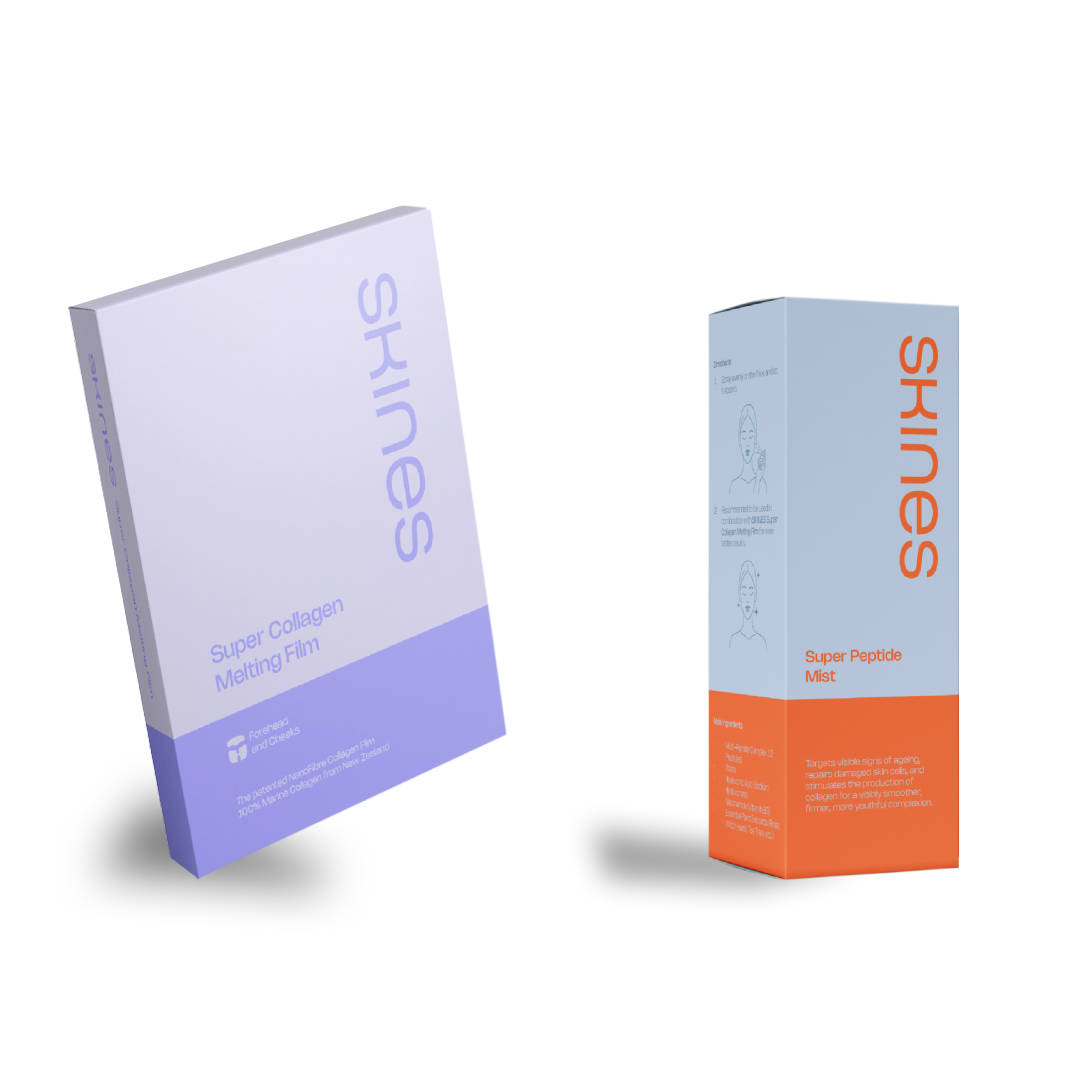
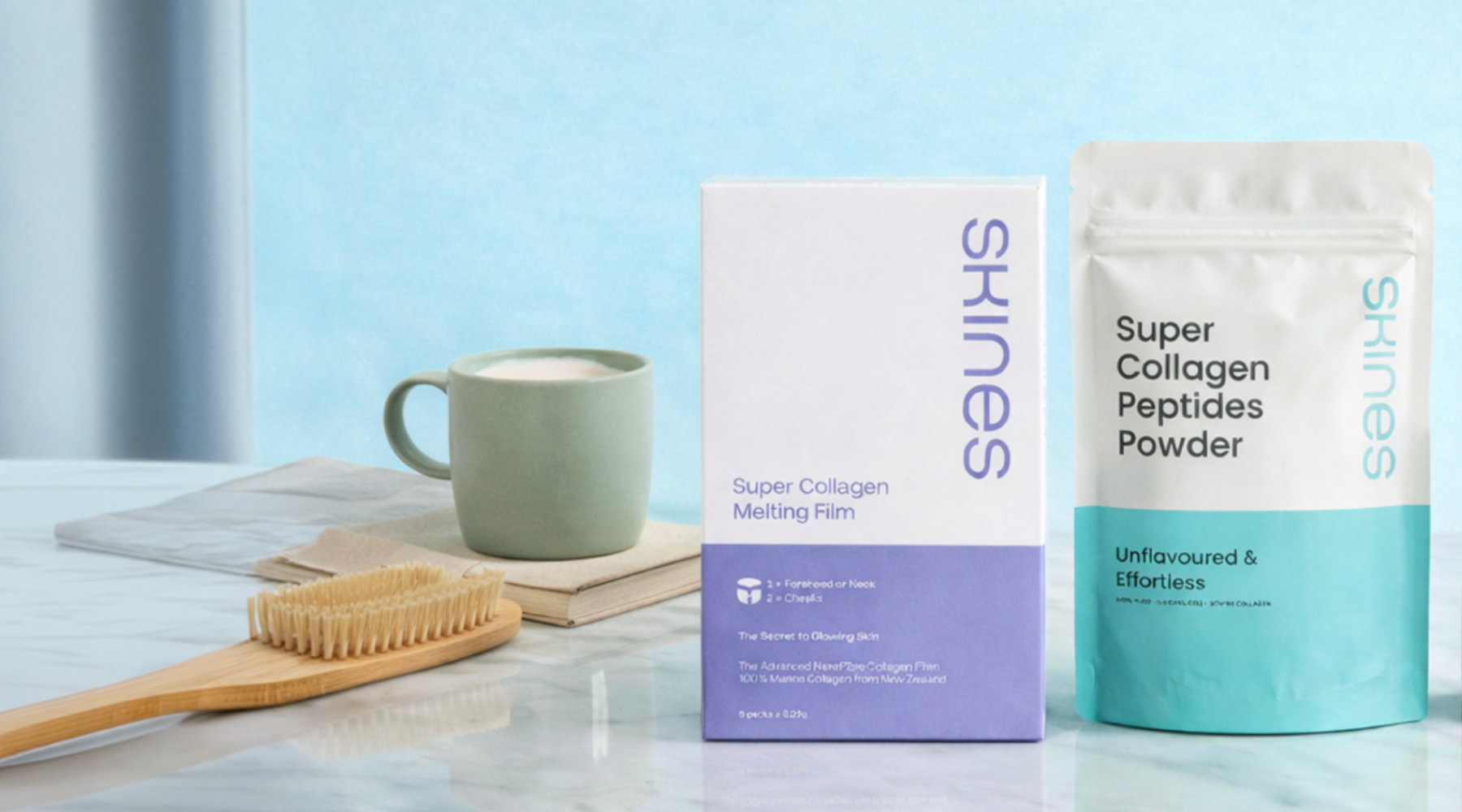
Super Collagen Melting Film
Forehead/Neck + Cheek · 5 pouches per box
NanoFibre Technology
1000+ Happy Customers
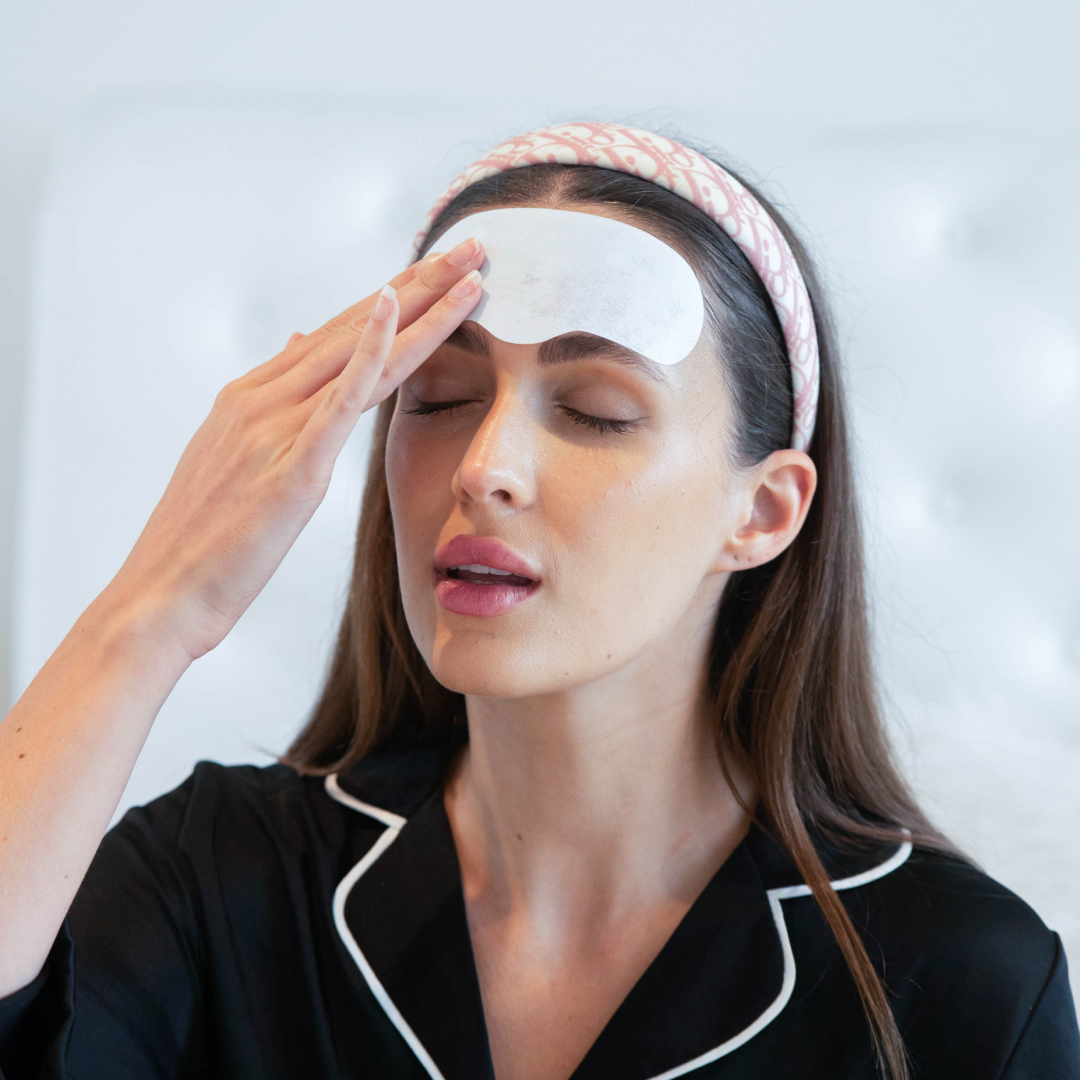
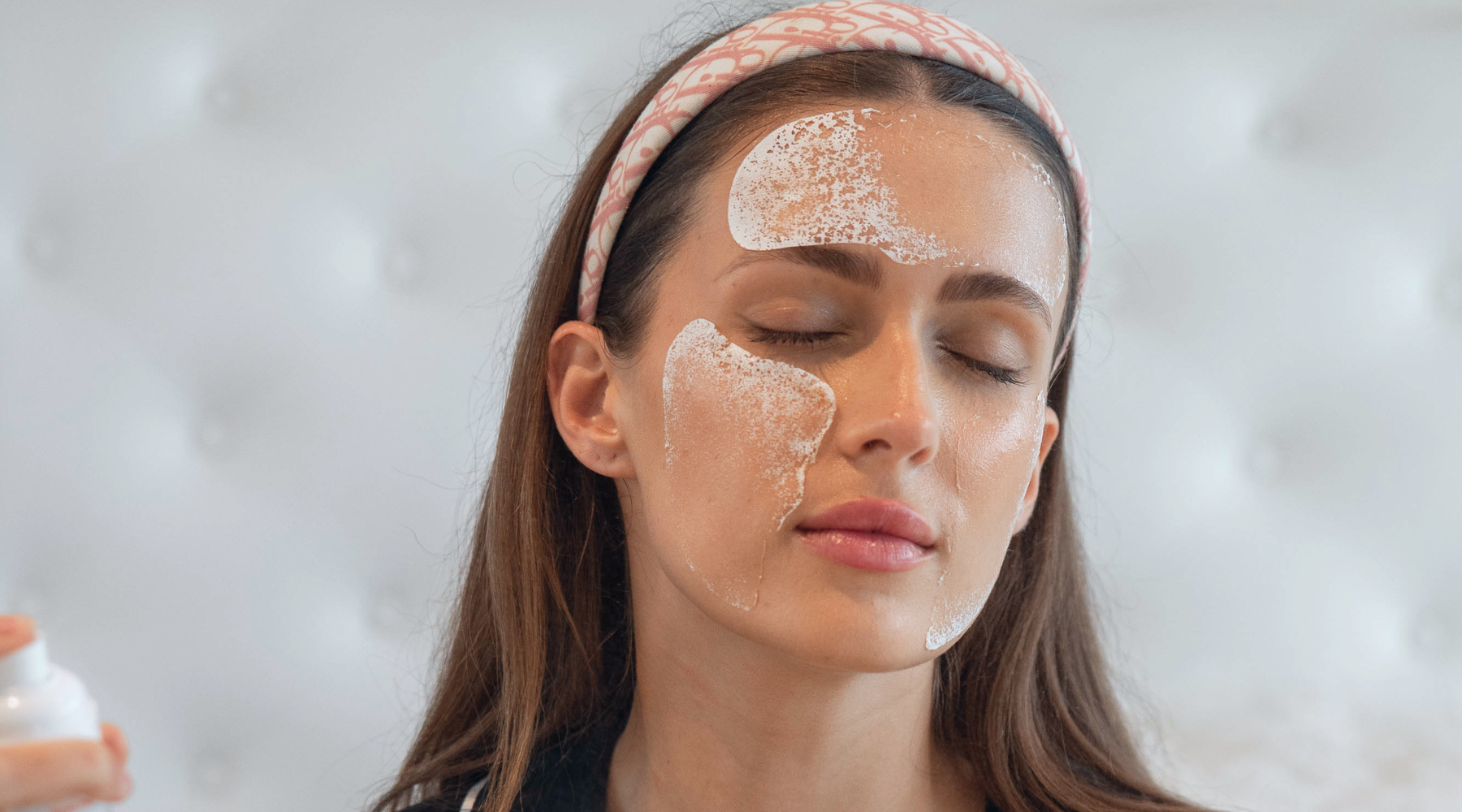
The SKINES Super Collagen Melting Film addresses every limitation of conventional topical collagen: it uses the right type (99.86% pure marine collagen), reduces molecules to under 300 daltons using patented NanoFibre Technology, and delivers them via a self-dissolving film format that maximises skin contact and absorption time. The result is a topical collagen product that can actually reach the dermis, and the visible difference is one customers consistently describe as transformative.
What makes it different
-
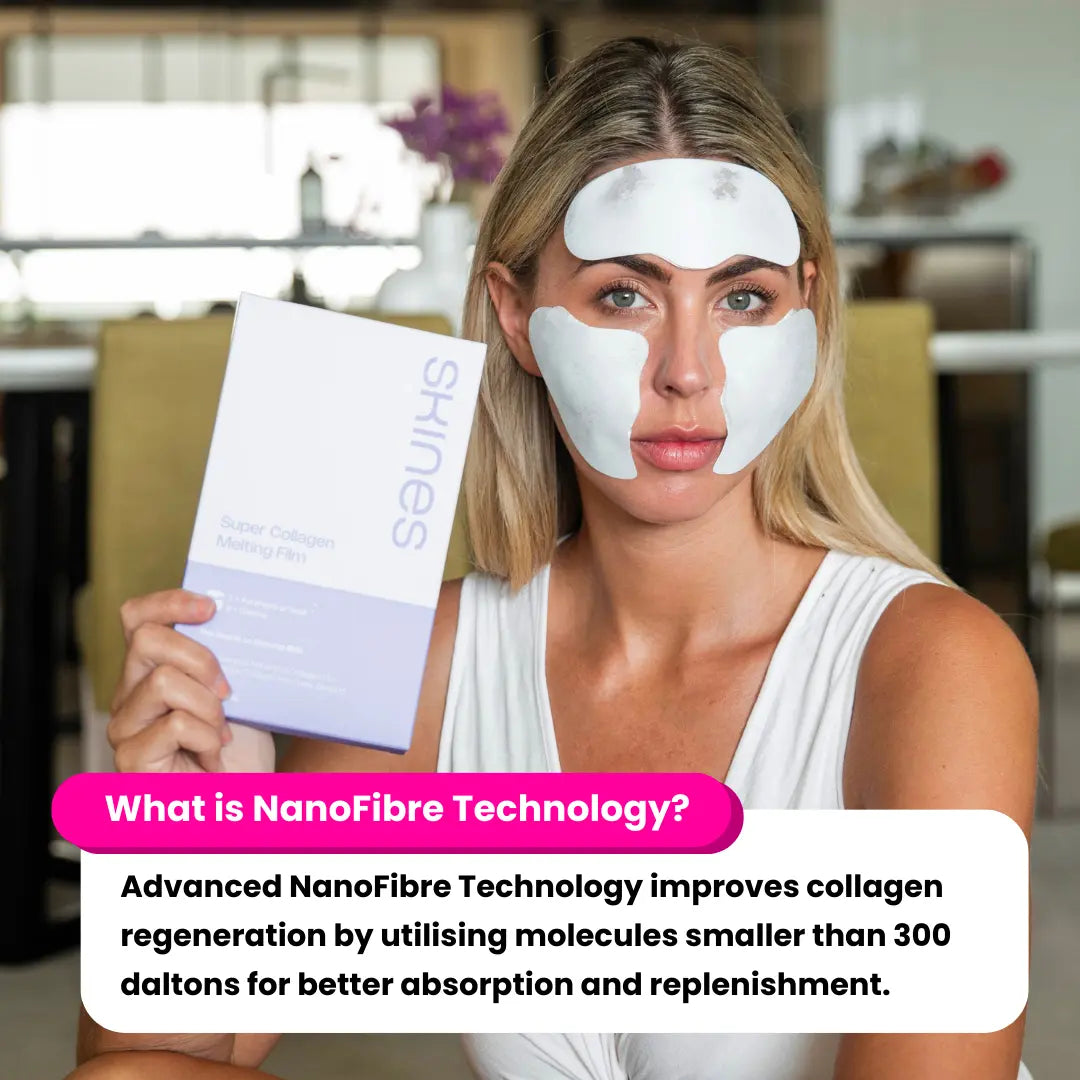
NanoFibre Technology: Breaks marine collagen into molecules under 300 daltons, well below the 500-dalton skin penetration threshold. Standard marine collagen products do not achieve this molecular reduction.
-
99.86% purity: No fillers, no binders, no unnecessary additives. The ingredient list is three items: collagen, hydrolysed collagen, and sodium hyaluronate. That's the discipline of a brand that knows what works.
-
New Zealand deep-sea source: Pristine South Sea waters produce a marine collagen with an exceptionally clean profile and low contamination risk. Not all marine collagen is equal: source and water quality matter.
-
30-thread layered structure: Crafted with 30 layered collagen threads, the film ensures an even, concentrated distribution of collagen across the treatment area, not a thin, inconsistent coating.
-
Self-dissolving delivery: The melting format keeps collagen in contact with the skin for long enough to enable real absorption, unlike serums or creams that are disrupted by immediate rubbing or quick evaporation.
Ingredients: 78.16% Collagen · 21.7% Hydrolyzed Collagen · 0.14% Sodium Hyaluronate. Free from parabens, sulfates, and harsh chemicals. Hypoallergenic. Safe for sensitive skin, pregnancy, and breastfeeding.
Daily essential · Collagen activator
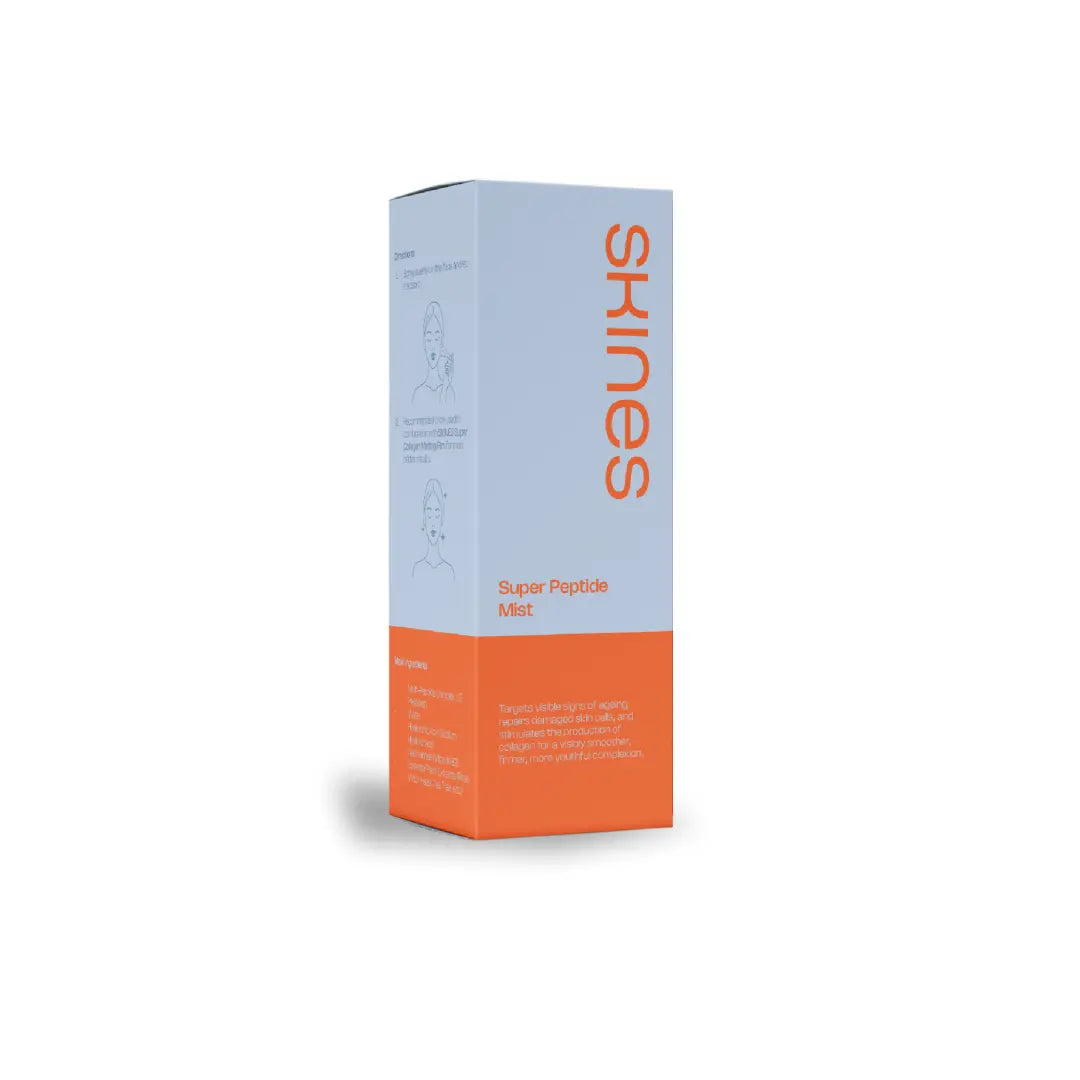
Super Peptide Mist
50ml with Refiner Mist Pump
12-Peptide Complex
Daily use
Peptides are the chemical signal that tells your skin to produce more collagen. While the Melting Film delivers collagen directly, the Super Peptide Mist stimulates your skin to produce more of its own, creating a dual-action approach to collagen restoration that works both topically and biologically.
-
12-Peptide Complex signals fibroblasts to synthesise new collagen and elastin, working from the inside out to restore structural skin support.
-
Epseama™ is a patented marine extract that reduces visible roughness and promotes a more even, firmer skin surface over time.
-
Niacinamide (Vitamin B3) brightens skin tone, reduces redness, and strengthens the skin barrier, supporting the environment in which collagen can thrive.
-
Use independently as a daily toner or ampoule, or as the activation step in the full Collagen Film routine for significantly enhanced results.
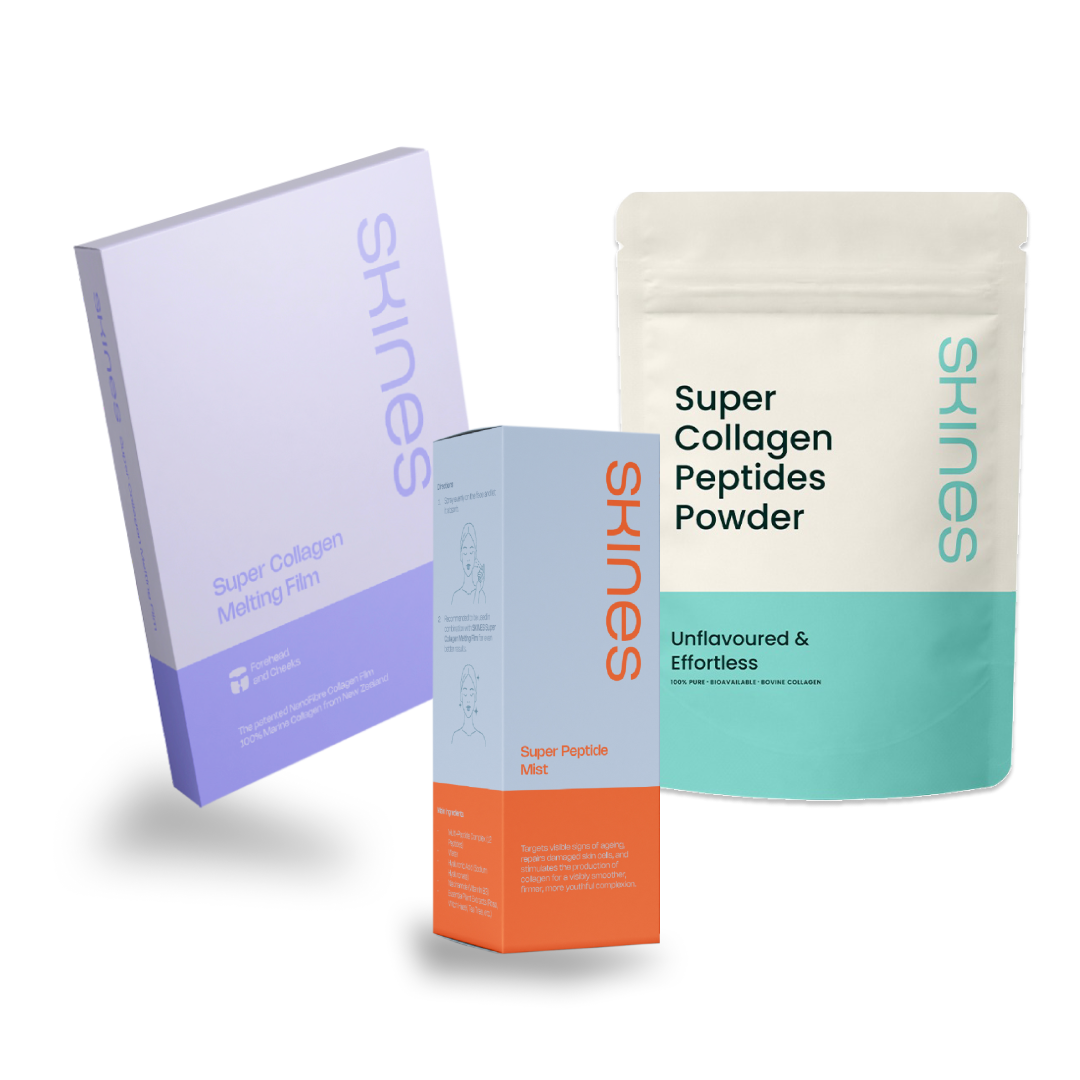
The SKINES system approach: The Peptide Mist stimulates collagen production through peptide signalling. The Collagen Film delivers pure marine collagen directly into the skin. Used together, they address collagen restoration from two directions simultaneously. See the full bundle options here.
Which Collagen Type Is Right for You?
The answer depends on your primary goal. Here's a simple decision guide based on what you're trying to achieve.
✦
Skin firmness & anti-ageing
Your primary concern is visible signs of ageing: fine lines, sagging, loss of plumpness.
→ Marine collagen. SKINES Collagen Film for topical results.
✦
Deep hydration & glow
You want lasting skin hydration and a radiant, dewy complexion every day.
→ Marine collagen + SKINES Peptide Mist daily.
✦
Inside-out collagen support
You want to support skin elasticity, hair, and nails through daily supplementation.
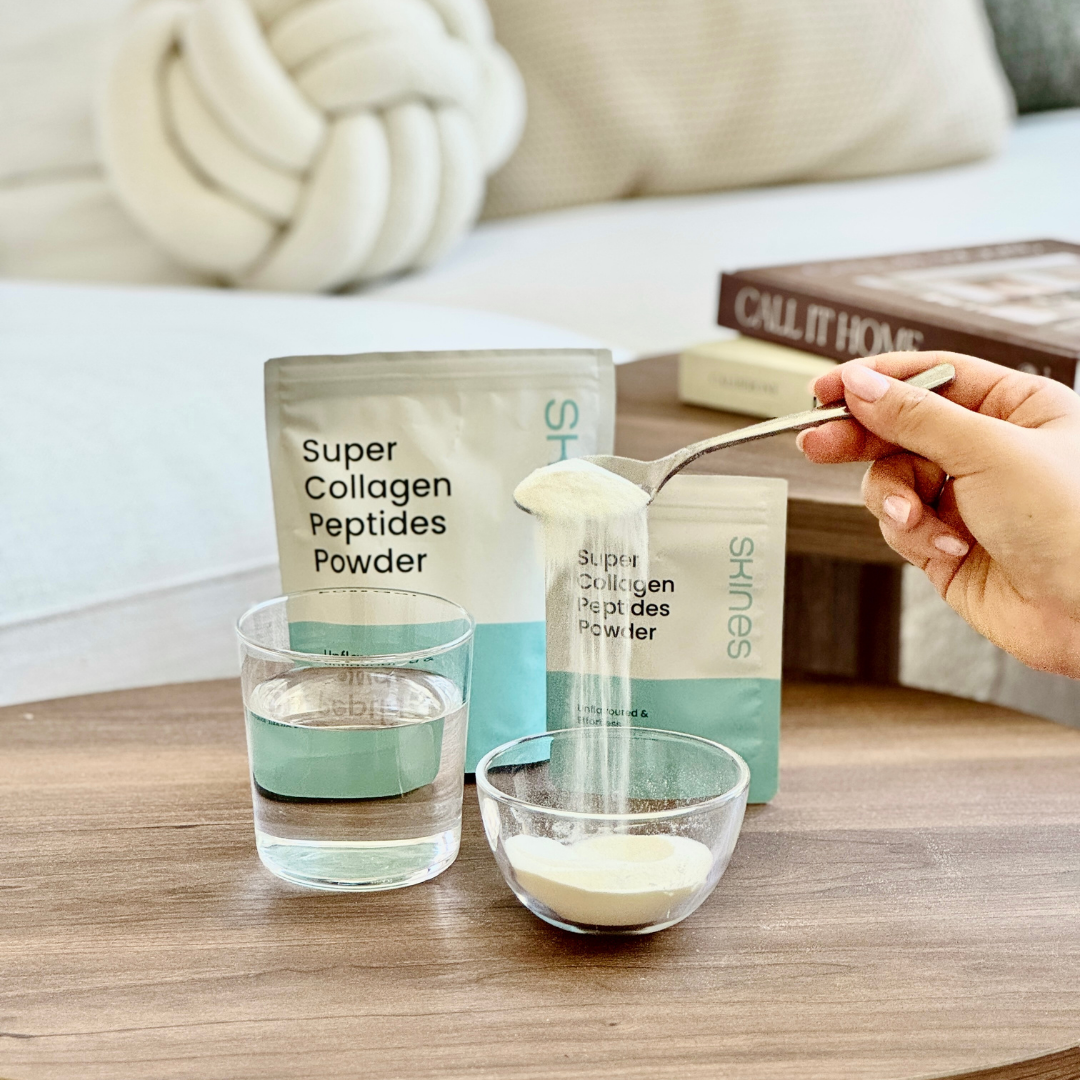
→ SKINES Collagen Peptides Powder. Pure hydrolysed marine collagen from AUD $9.99.
✦
Joint & gut health
Your main concerns are joint mobility, gut lining support, and general connective tissue health.
→ Bovine collagen (Types I, II, III) is more suited for this specific purpose.
✦
Sensitive or reactive skin
You want results without irritation: you need a hypoallergenic, additive-free formula.
→ SKINES Collagen Film: hypoallergenic, paraben-free, safe for sensitive skin and pregnancy.
✦
Complete collagen routine
You want a comprehensive, science-backed routine that works from every angle.
→ SKINES bundles: Collagen Film + Peptide Mist + Powder. Save up to 25%.
Frequently Asked Questions
Is marine collagen better than bovine collagen for skin?
For skin-specific results, yes. Marine collagen is predominantly Type I collagen, the same type that makes up 90% of your skin, and its smaller molecular structure means it absorbs significantly more efficiently. Research consistently shows marine collagen achieves up to 1.5× higher bioavailability than bovine collagen, reaching the dermis faster and in higher concentrations for superior anti-ageing and hydration outcomes.
What is the difference between Type I and Type III collagen?
Type I collagen is the primary structural protein in skin, tendons, and bones, and it provides firmness, elasticity, and resilience. Type III collagen is found more in soft tissues, the gut lining, and blood vessels; it plays a supporting structural role but is not the dominant skin collagen. Marine collagen is almost entirely Type I, making it far more targeted for skin anti-ageing purposes.
Can collagen actually penetrate the skin when applied topically?
Standard collagen in creams and most serums cannot, because the molecules are too large to cross the skin's outer barrier (stratum corneum). Dermatology research establishes that molecules above approximately 500 daltons cannot penetrate in meaningful amounts. However,
SKINES NanoFibre Technology reduces marine collagen molecules to under 300 daltons, enabling genuine transdermal penetration and delivery to the dermis where collagen synthesis occurs.
What is NanoFibre Technology and how does it work?
NanoFibre Technology is the patented process used in the
SKINES Super Collagen Melting Film that reduces pure marine collagen into ultra-fine molecules smaller than 300 daltons. This is significantly below the ~500 dalton skin penetration threshold established by dermatological research. The technology allows collagen to pass through the outermost skin layers and reach the dermis, where it can stimulate fibroblast activity and support collagen synthesis.
How long does it take to see results from collagen skincare?
Initial hydration and glow improvements are often visible within days of first use. More structural changes (improved firmness, reduction in fine lines, and enhanced elasticity) typically become visible within 2 to 6 weeks of consistent use, as the dermis builds collagen density over time. SKINES customers regularly report noticeable changes in skin texture and hydration within the first week, with deeper improvements continuing over several weeks of regular use.
Is marine collagen safe for sensitive skin?
Yes, in most cases. Marine collagen is inherently gentle and hypoallergenic in its pure form. The
SKINES Collagen Melting Film is specifically formulated to be free from parabens, sulfates, and unnecessary additives, and is suitable for all skin types including sensitive and reactive skin. It is also safe for use during pregnancy and while breastfeeding.
Should I use collagen supplements as well as topical collagen?
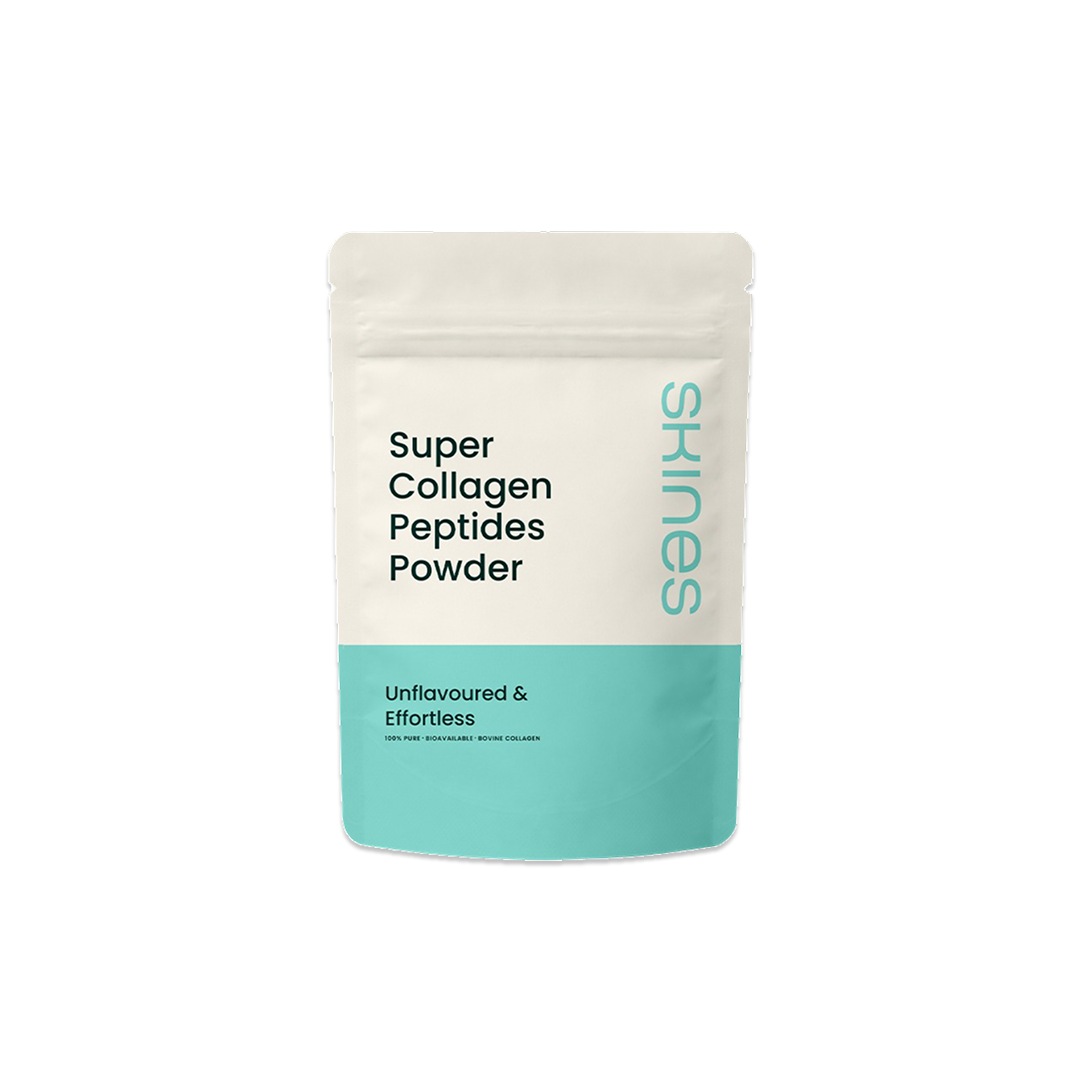
For the most comprehensive approach, yes. Ingestible collagen supplements (like the
SKINES Super Collagen Peptides Powder) support collagen production systemically, providing the building blocks for skin, hair, nails, and joints throughout the body. Topical collagen (the Collagen Film) targets the skin directly and immediately. Used together, they work from the inside and outside simultaneously for significantly greater results than either approach alone.
What is hydrolysed collagen and is it better than regular collagen?
Hydrolysed collagen (also called collagen peptides) is regular collagen that has been broken down into smaller peptide chains through a process called hydrolysis. This process significantly improves absorption, both through the digestive system and through the skin barrier. For skin applications, hydrolysed marine collagen is preferable to non-hydrolysed because the smaller peptides can travel further into the skin and stimulate fibroblasts more effectively.
Why does SKINES source collagen from New Zealand?
SKINES sources its marine collagen from deep-sea fish in the South Sea off New Zealand's coast because the pristine, cold, unpolluted waters produce fish with exceptionally clean and high-quality collagen profiles, with minimal contamination from heavy metals or environmental pollutants. New Zealand also has among the world's most stringent fishing and food safety regulations. Not all marine collagen is created equal: the quality of the source waters and the species involved directly affect the purity and efficacy of the final product.
How do peptides relate to collagen, and why does the Peptide Mist help?
Peptides are short amino acid chains that act as biological messengers, signalling to skin cells (fibroblasts) that collagen has been lost and needs to be rebuilt. In effect, they trigger your skin's own collagen synthesis, a complementary mechanism to directly supplying collagen externally. The
SKINES Super Peptide Mist contains a 12-Peptide Complex that activates this internal production process, while the Collagen Film delivers collagen directly. Together, they address collagen deficiency from two directions.
The Bottom Line
If you're choosing between marine and bovine collagen for skin, the science is clear. Marine collagen is the superior choice. It delivers the right collagen type (Type I), in a smaller molecular form that absorbs faster and more efficiently, from a source that more closely mirrors your skin's own collagen structure.
But choosing the right collagen type is only half the answer. Delivery technology determines whether collagen reaches the dermis at all. SKINES combines 99.86% pure New Zealand marine collagen with patented NanoFibre Technology, reducing molecules to under 300 daltons for genuine transdermal penetration, not just surface hydration.
The Melting Film delivers collagen. The Peptide Mist triggers your skin to make more. Together, they represent the most complete topical collagen system available in Australia today.
Shop SKINES Collagen Bundles
GK
Gina Kim
Founder, SKINES Beauty · Award-Winning Designer · Skincare Formulation Advocate
After 25 years in international fashion, Gina Kim channelled her precision for quality into building SKINES, a K-beauty skincare brand grounded in science. Every formulation decision is driven by one question: does this actually reach the skin and do what it claims? The answer to that question led directly to NanoFibre Technology, New Zealand marine collagen sourcing, and a philosophy that rejects fillers and unnecessary ingredients entirely.
Leave a comment
This site is protected by hCaptcha and the hCaptcha Privacy Policy and Terms of Service apply.